
Siding guides for Boston homeowners
Short, practical explanations of the siding problems and choices that come up most in Boston, with quick answers on the FAQ page, written so you know what to look for and what to ask before you call.
All guides
 Guide
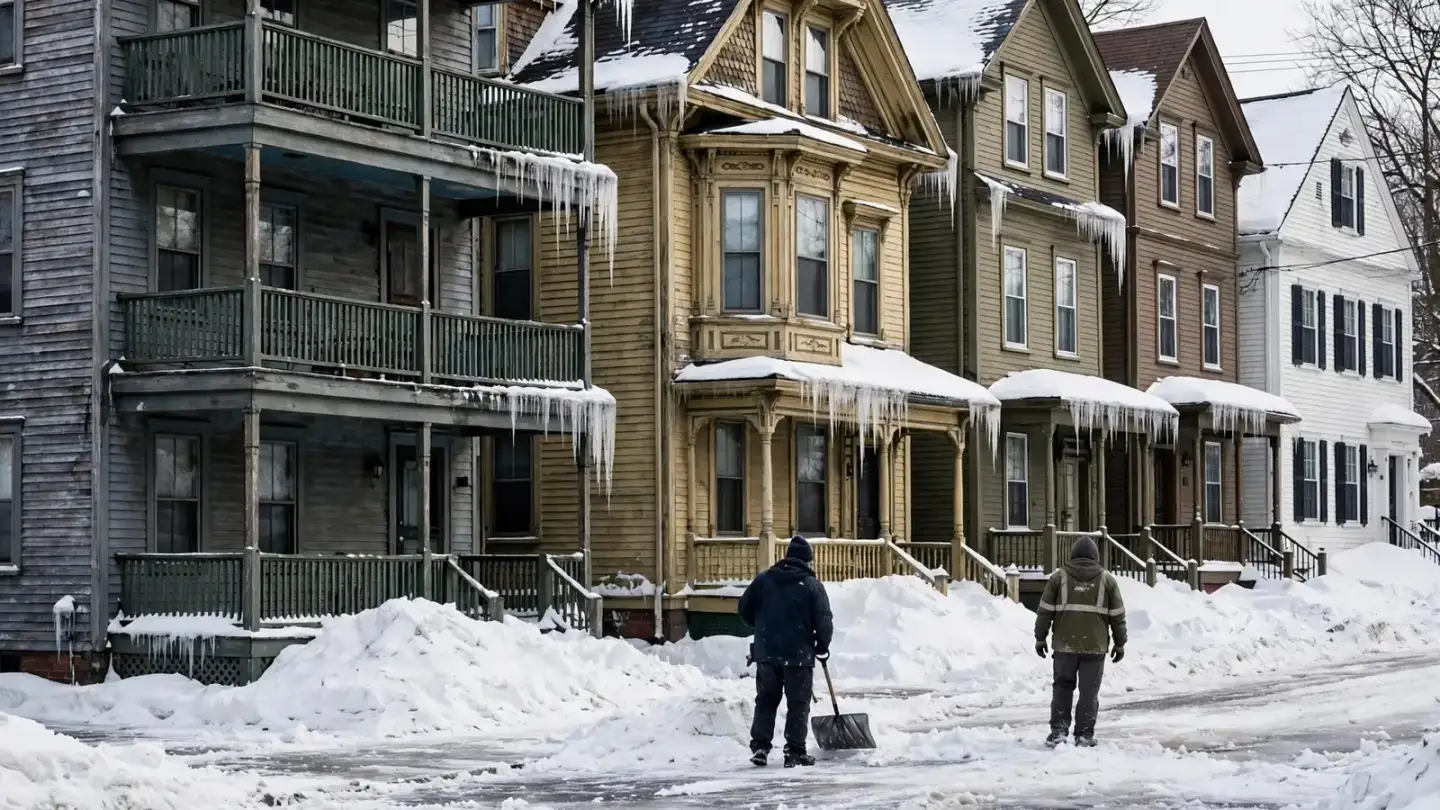
Choosing siding for cold winters
How Boston's freeze-thaw winters, snow and ice dams affect siding, which materials handle cold best, and how insulation and flashing make the difference.
Read the guide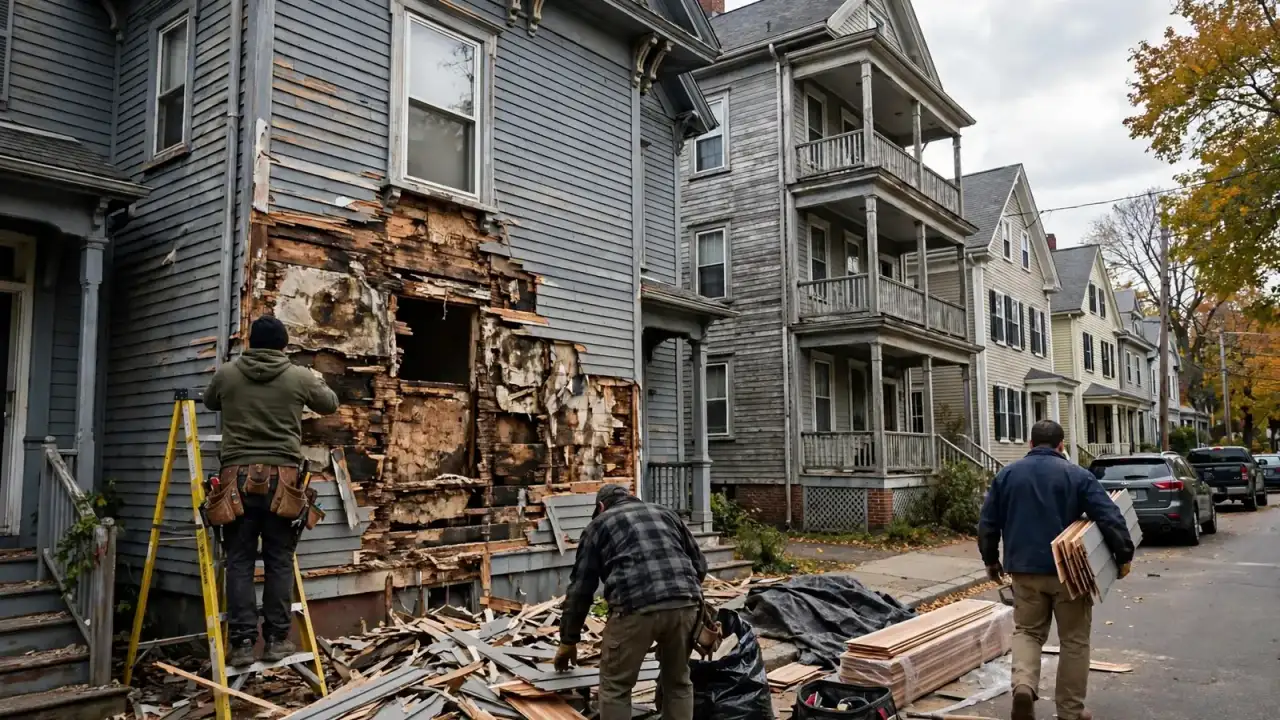 Guide
Moisture behind siding
How water gets behind siding on Boston houses, the signs inside and out, why old walls trap moisture, and how contractors find and fix the source.
Read the guide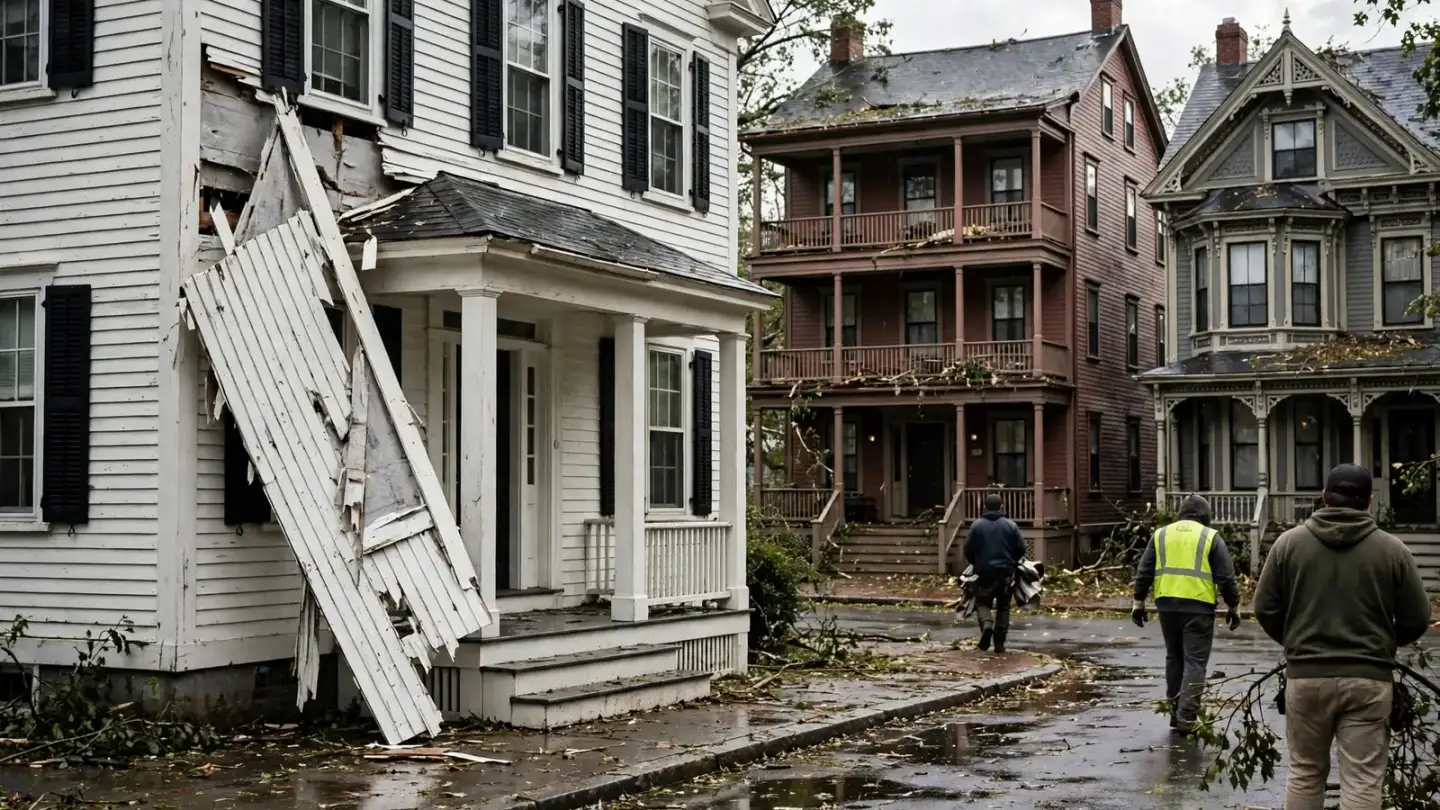 Guide
Siding after hail or wind damage
What to do when wind or hail damages siding on a Boston house: safety, photos, temporary cover, checking behind panels and repair versus replacement.
Read the guide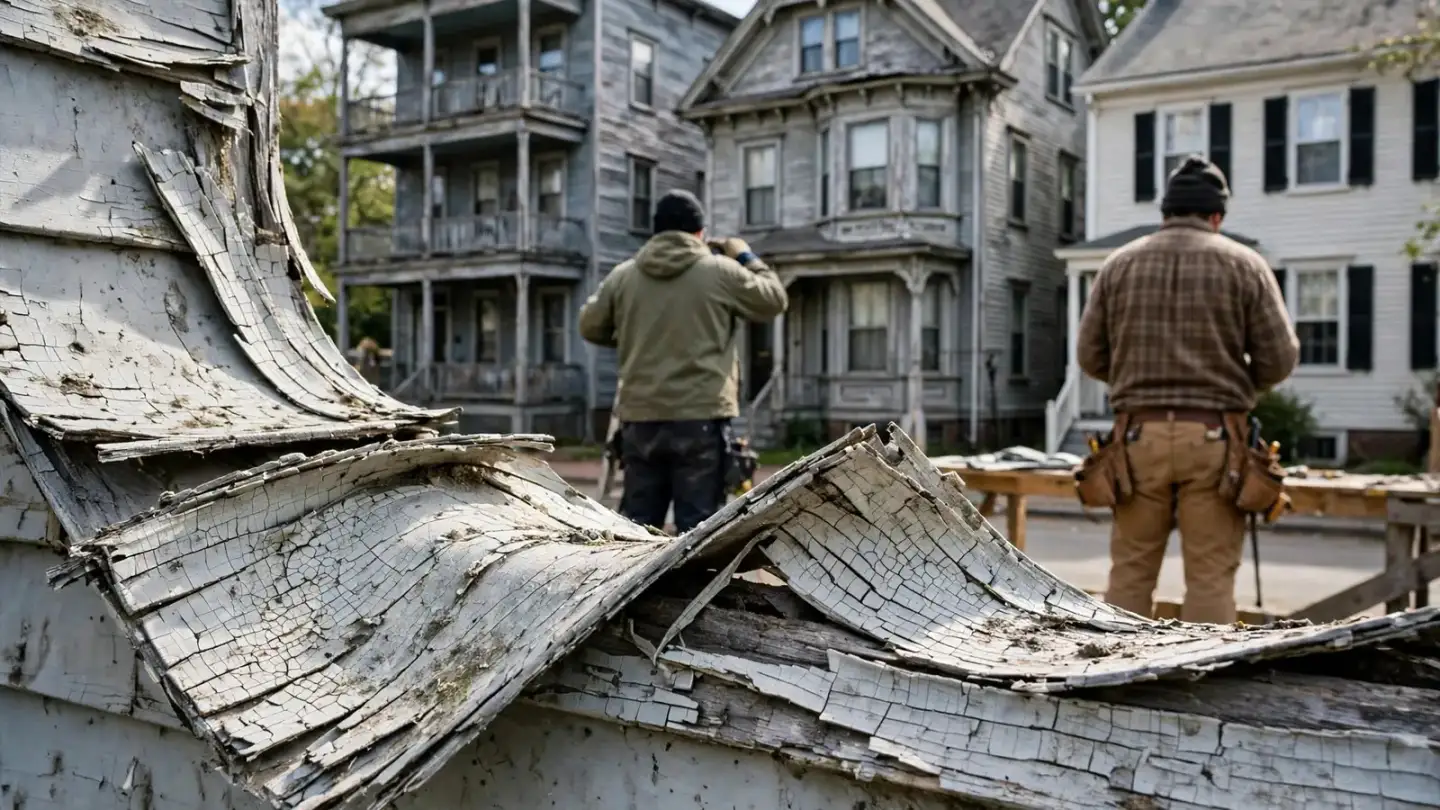 Guide
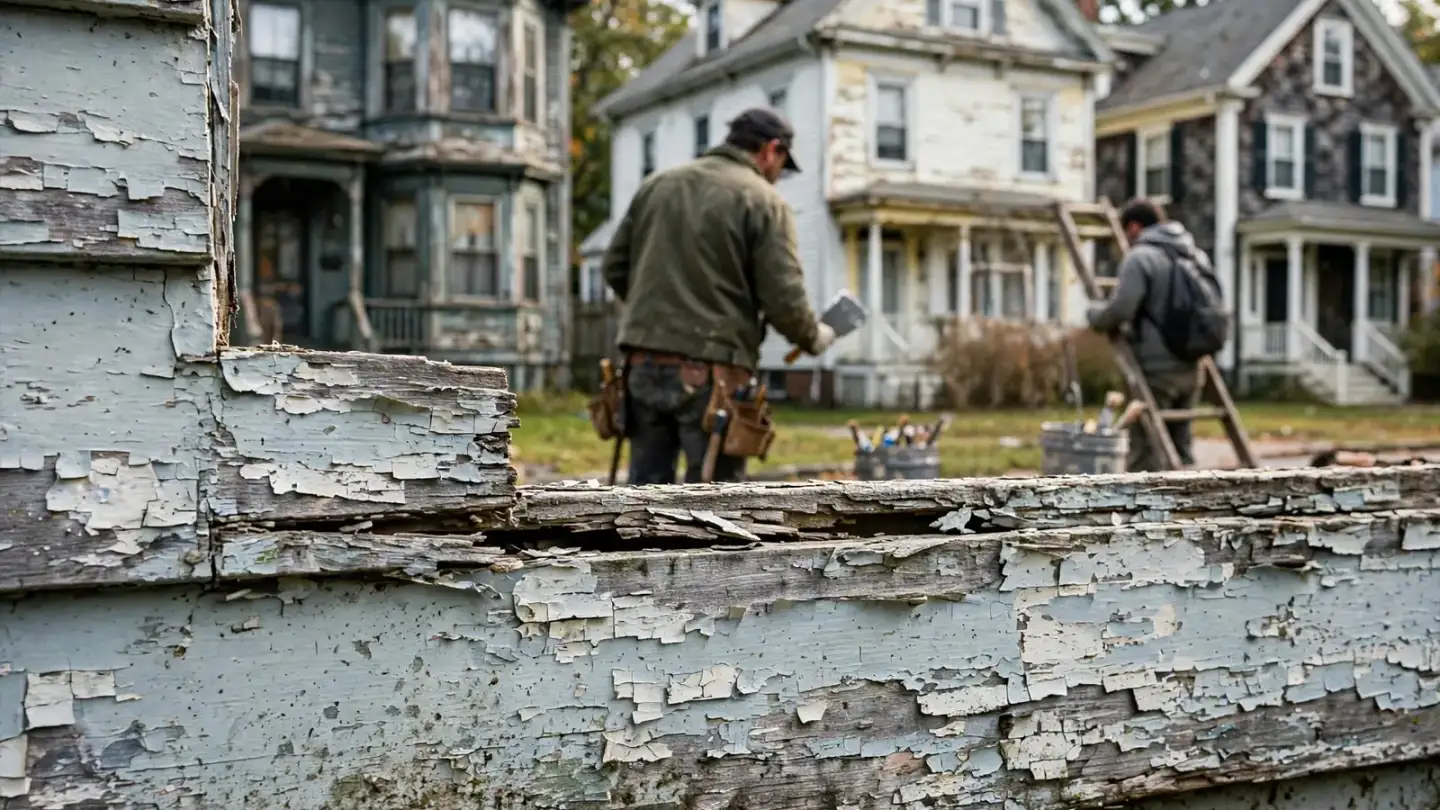
Signs your siding needs replacing
How to tell when siding on a Boston house is past repair: rot, brittle vinyl, failing paint, stacked layers and hidden water, and when to call.
Read the guide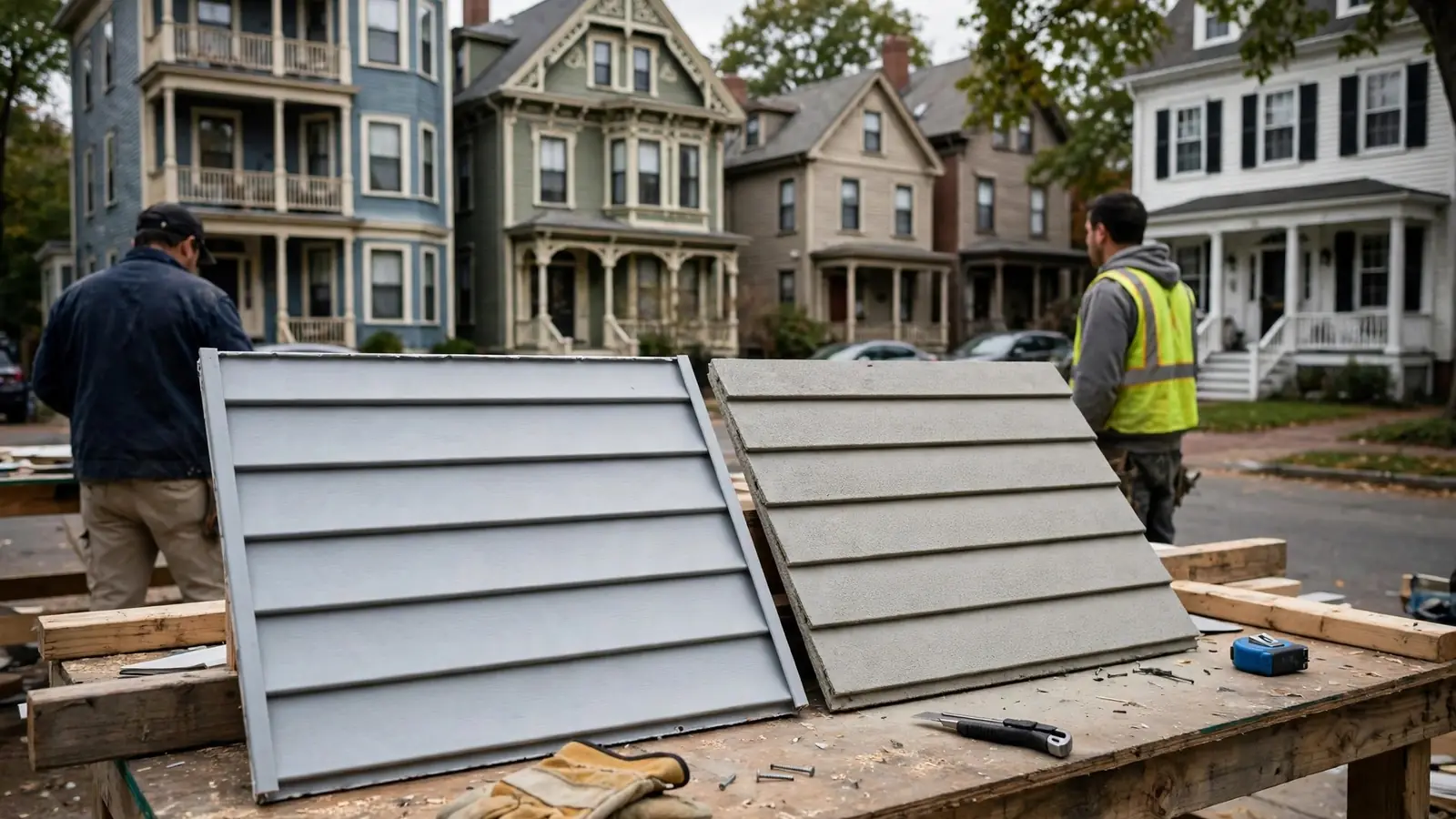 Guide
Vinyl vs fiber cement
Comparing vinyl and fiber cement siding for Boston houses: cold-weather behavior, upkeep, impact, fire, looks, historic districts and installation demands.
Read the guide
All guides
Browse the siding guides
Each guide starts with a short answer, then explains causes, safe checks you can do from the ground and when it is time to call.
- Guide
Choosing siding for cold winters
How Boston's freeze-thaw winters, snow and ice dams affect siding, which materials handle cold best, and how insulation and flashing make the difference.
Read the guide - Guide
Moisture behind siding
How water gets behind siding on Boston houses, the signs inside and out, why old walls trap moisture, and how contractors find and fix the source.
Read the guide - Guide
Siding after hail or wind damage
What to do when wind or hail damages siding on a Boston house: safety, photos, temporary cover, checking behind panels and repair versus replacement.
Read the guide - Guide
Signs your siding needs replacing
How to tell when siding on a Boston house is past repair: rot, brittle vinyl, failing paint, stacked layers and hidden water, and when to call.
Read the guide - Guide
Vinyl vs fiber cement
Comparing vinyl and fiber cement siding for Boston houses: cold-weather behavior, upkeep, impact, fire, looks, historic districts and installation demands.
Read the guide
Using these guides
How these guides are written
Every guide is written for Boston's housing: triple-deckers, Victorians, rowhouses and mid-century colonials facing freeze-thaw winters and coastal storms. Facts about permits, lead paint and codes link to their public sources. We never publish figures for what jobs run, and we never claim jobs we did not see. Images are illustrative and labelled as such, and every guide ends with a list of what to tell the contractor.
What to do next
After reading a guide
If a guide matches what you see, note the location, the material and how long it has been happening. Take photos from the ground. Note whether anyone in the house has noticed drafts, damp smells or stains inside on that wall, since those details help a contractor judge how far the problem goes behind the siding. Then call and describe it. If more than one guide seems to fit, mention both. The contractor can tell you on the call whether it sounds like a repair, a storm claim or a bigger project.
Still unsure
Ask a contractor about what you are seeing
If the guide does not settle it, a short call with an independent contractor usually will.